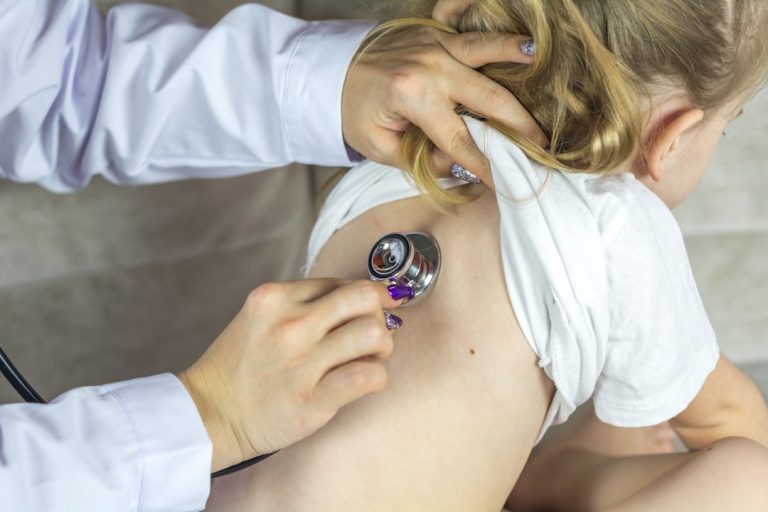



Few parts of parenting come with as many questions as keeping your child healthy, and vaccines are near the top of the list. Understanding the childhood vaccine schedule helps you know what to expect, why the timing is set up the way it is, and how to stay on track. Vaccines are one of the most effective tools we have for protecting children from serious, preventable illnesses.
At Highland Healthy Living in Cumberland, MD, immunizations are a routine part of pediatric and adolescent care. Here is a clear, practical guide to help you feel confident about your child’s vaccines.
Why Vaccines Matter
Vaccines protect children from diseases that were once common and dangerous. They work by teaching the immune system to recognize and fight specific illnesses before your child is ever exposed to them in the real world.
There is a community benefit too. When most children are vaccinated, it helps protect those who cannot be, such as newborns too young for certain shots and people with weakened immune systems. Each vaccinated child is part of that shared protection.


The Childhood Vaccine Schedule by Age
The childhood vaccine schedule is carefully designed so that children are protected at the ages they are most vulnerable to each illness. Your provider follows widely accepted national guidelines, and while exact timing can vary slightly, the general pattern looks like this.
- Birth to 15 months: The busiest stretch, with vaccines that protect against illnesses like hepatitis B, whooping cough, polio, measles, mumps, rubella, and more, given across several visits.
- 15 months to 6 years: Boosters that reinforce earlier protection, often completed before a child starts school.
- 7 to 10 years: A quieter period, with catch-up shots if any were missed.
- 11 to 12 years and the teen years: Preteen and adolescent vaccines, including those that protect against meningitis and HPV.
If you are also tracking regular checkups, these shots line up with the visits in our well-child visit schedule by age, so they tend to happen together.
Common Childhood Vaccines and What They Protect Against
It helps to know what the major vaccines are for. The MMR vaccine protects against measles, mumps, and rubella. DTaP guards against diphtheria, tetanus, and whooping cough. The polio vaccine prevents polio, and the HPV vaccine, given in the preteen years, protects against infections that can lead to certain cancers later in life.
Other vaccines protect against illnesses like hepatitis, chickenpox, pneumococcal disease, and meningitis. You do not need to memorize them all. Your provider will tell you which are due at each visit and answer any questions you have.
Why the Timing Matters
The schedule is not random. Each vaccine is timed to build protection before a child is likely to be exposed and at the age when their immune system responds best. Some need more than one dose to provide full, lasting protection, which is why boosters exist.
Spreading the doses out the recommended way is what gives the best results. Following the established schedule means your child is protected as early and as fully as possible.
What If You Fall Behind?
Life happens, and it is common for children to miss a vaccine or fall behind, whether from illness, a move, or a busy season. The good news is that a delayed vaccine schedule does not mean starting over. In almost all cases, children can catch up.
Your provider can review your child’s records and create a catch-up plan that gets them back on track safely. If you are unsure where your child stands, just ask. Sorting it out is easier than most parents expect.
Are Childhood Vaccines Safe?
Vaccines are among the most studied and monitored medical products, and they continue to be tracked closely for safety. Most side effects are mild and short-lived, like a sore arm, a little fussiness, or a low fever for a day or so. Serious reactions are rare.
It is completely normal to have questions, and you should feel free to ask them. Your provider is happy to talk through how vaccines work, what to expect afterward, and any specific concerns, with clear answers and no judgment.
Making Vaccine Visits Easier
Shots are not most kids’ favorite part of a visit, but a few simple things help. For babies, holding and feeding them afterward can be soothing. For older children, staying calm yourself, being honest in an age-appropriate way, and offering a small comfort or distraction can make a big difference.
Afterward, a little extra cuddling, fluids, and rest usually cover it. If your child runs a mild fever or has a sore spot, that is common, and your provider can tell you what is normal and when to call.
Keeping Good Records
Keep your child’s immunization record somewhere safe and easy to find. You will need it for school, sports, camp, and childcare, and it helps any new provider pick up right where you left off.
If you ever lose track of the record, your provider’s office can usually help recover the information. Staying organized now saves a scramble later when a form is due.
Preteen and Teen Vaccines Are Easy to Overlook
Once the busy baby and toddler years pass, it is easy to assume the vaccine schedule is finished. It is not. The preteen and teen years bring an important round of vaccines, including the HPV vaccine, a meningitis vaccine, and a Tdap booster, usually starting around ages 11 to 12.
These visits matter because they protect against illnesses that become more relevant as children get older and more independent. The HPV vaccine in particular works best when given at the recommended preteen age, well before any possible exposure. An annual checkup is the easiest way to make sure these do not slip through the cracks.
Vaccines and School Requirements
Most schools, daycares, and sports programs require proof of certain vaccines, and the requirements can change as your child moves up in grade. Staying current on the schedule usually means you are already meeting these requirements without a last-minute rush.
If a form lands on your desk and you are not sure your child is up to date, a quick call to the office can confirm it and schedule any catch-up doses needed. Planning a little ahead of deadlines keeps the start of a school year or sports season stress-free.
Common Questions About Childhood Vaccines
Can my child get multiple vaccines at once? Yes. Giving several recommended vaccines at one visit is safe and reduces the number of trips, and your child’s immune system handles them well.
What if we missed a vaccine? That is common and usually easy to fix with a catch-up plan. Your provider can review the records and map out the next steps.
Where can I get my child vaccinated in Cumberland? Your child’s vaccines can be part of routine pediatric visits, so they are handled alongside regular checkups.
If your child is due for vaccines or you have questions about the schedule, we are here to help. Learn more about pediatric and adolescent care in Cumberland, MD, or book an appointment to keep your child protected and on track.
Medically reviewed by April Dawson, MSN, APRN, FNP-C. This article is for education and is not a substitute for personal medical advice.
Need to talk to a provider about this?
Highland Healthy Living offers same-day visits in Cumberland, MD. No referral needed.