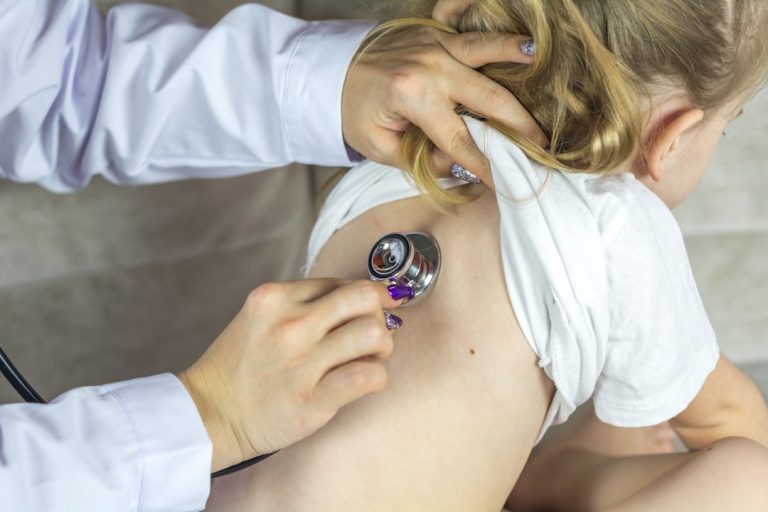



Every parent knows the feeling. Your child is not acting like themselves, and you are trying to decide whether to wait it out or call the doctor. Knowing when to take a child to the doctor takes some of the guesswork out of those moments and helps you feel more confident either way.
At Highland Healthy Living in Cumberland, MD, sick visits are a regular part of pediatric and adolescent care. Here is a practical guide to what you can usually watch at home, what deserves a visit, and what needs emergency care right away.
Symptoms You Can Usually Watch at Home
Many common childhood illnesses are mild and pass on their own with rest and fluids. A typical cold, a mild cough, a runny nose, or a low fever in an otherwise alert and drinking child can often be managed at home.
The key is to watch the whole picture, not just one symptom. How is your child eating and drinking? Are they still playing, even at a lower energy level? Are they able to sleep? A child who is uncomfortable but still themselves is usually doing okay.


Understanding Fever
Fever worries parents more than almost anything, but a fever is often a sign the body is fighting an infection, not an emergency on its own. What matters is your child’s age and how they look and act, not just the number on the thermometer.
Very young infants are the exception. Any fever in a baby under three months should be checked promptly. For older children, a fever that is high, lasts more than a couple of days, or comes with other concerning symptoms is worth a call.
When to Take a Child to the Doctor
Some symptoms are a clear sign to schedule a visit, often a same-day one. Reach out if your child has an earache, a sore throat that is not improving, persistent vomiting or diarrhea, a rash you are unsure about, trouble shaking an illness, or symptoms that keep coming back.
If your provider is not available and the issue cannot wait, a same-day or virtual option can help. You can learn how telehealth and same-day visits work for situations that need attention soon but are not emergencies.
Emergency Red Flags: When to Call 911
Some symptoms need emergency care right away. Call 911 or go to the nearest emergency room for trouble breathing or rapid breathing, blue or gray lips, a stiff neck with fever, severe dehydration, a seizure, unresponsiveness or extreme drowsiness, or any symptom that seriously frightens you.
When it comes to your child, it is always okay to err on the side of caution. No one will fault you for seeking emergency help when something feels truly wrong.
Trust Your Instincts
You know your child better than anyone. If something feels off, even when you cannot put your finger on why, that instinct is worth honoring. Parents are often the first to notice when an illness is more than it seems.
Calling the office with a question is always reasonable. It is far better to ask and be reassured than to wait and worry, and a quick conversation can often point you in the right direction.
Comfort Care at Home
For the many illnesses that can be managed at home, comfort care helps your child feel better while their body does the work of recovering. Rest, plenty of fluids, and a calm environment go a long way.
Offer small sips often if your child is not drinking much, since staying hydrated matters more than eating during a short illness. Keep an eye on wet diapers or bathroom trips as a simple sign of hydration. Always check with your provider or pharmacist before giving any medication, especially for young children, since the right choice and dose depend on age and weight.
Helping Stop the Spread
When one child is sick, the whole household tends to hold its breath. A few simple habits reduce the chances of it spreading. Frequent handwashing, covering coughs, not sharing cups or utensils, and keeping a sick child home until they are better all help.
Staying current on recommended vaccines is part of prevention too, since it lowers the risk of some of the more serious illnesses that send families to the doctor in the first place.
When Illness Keeps Coming Back
Some parents feel like their child gets sick every two weeks, especially during the school year or after starting daycare. In most cases this is normal. Young immune systems are still learning, and frequent exposure to other children means frequent minor illnesses. It can be exhausting, but it usually does not signal anything wrong.
That said, there are times when a pattern is worth a closer look. If your child seems to catch everything and recovers slowly, is not growing well, or has frequent infections that are severe or unusual, mention it to your provider. They can help sort normal childhood germs from something that deserves more attention.
A provider who knows your child over time is in the best position to make that call, because they can see the bigger picture rather than judging one illness in isolation. That continuity is one more reason a regular pediatric home is so valuable.
Common Questions About Sick Visits
How high does a fever need to be to call? The number matters less than your child’s age and how they look. Any fever in a young infant, or a high or lasting fever with other symptoms, is worth a call.
Can a telehealth visit help when my child is sick? Often, yes, for many common concerns. Some symptoms still need a hands-on exam, and our team can help you decide.
What if symptoms get worse overnight? Trust your judgment. For serious symptoms, seek emergency care. For other worsening signs, reach out as soon as the office opens.
When your child is not feeling well, we are here to help you sort it out. Learn more about pediatric and adolescent care in Cumberland, MD, or book an appointment for a same-day sick visit.
Medically reviewed by April Dawson, MSN, APRN, FNP-C. This article is for education and is not a substitute for personal medical advice.
Need to talk to a provider about this?
Highland Healthy Living offers same-day visits in Cumberland, MD. No referral needed.